In partnership with

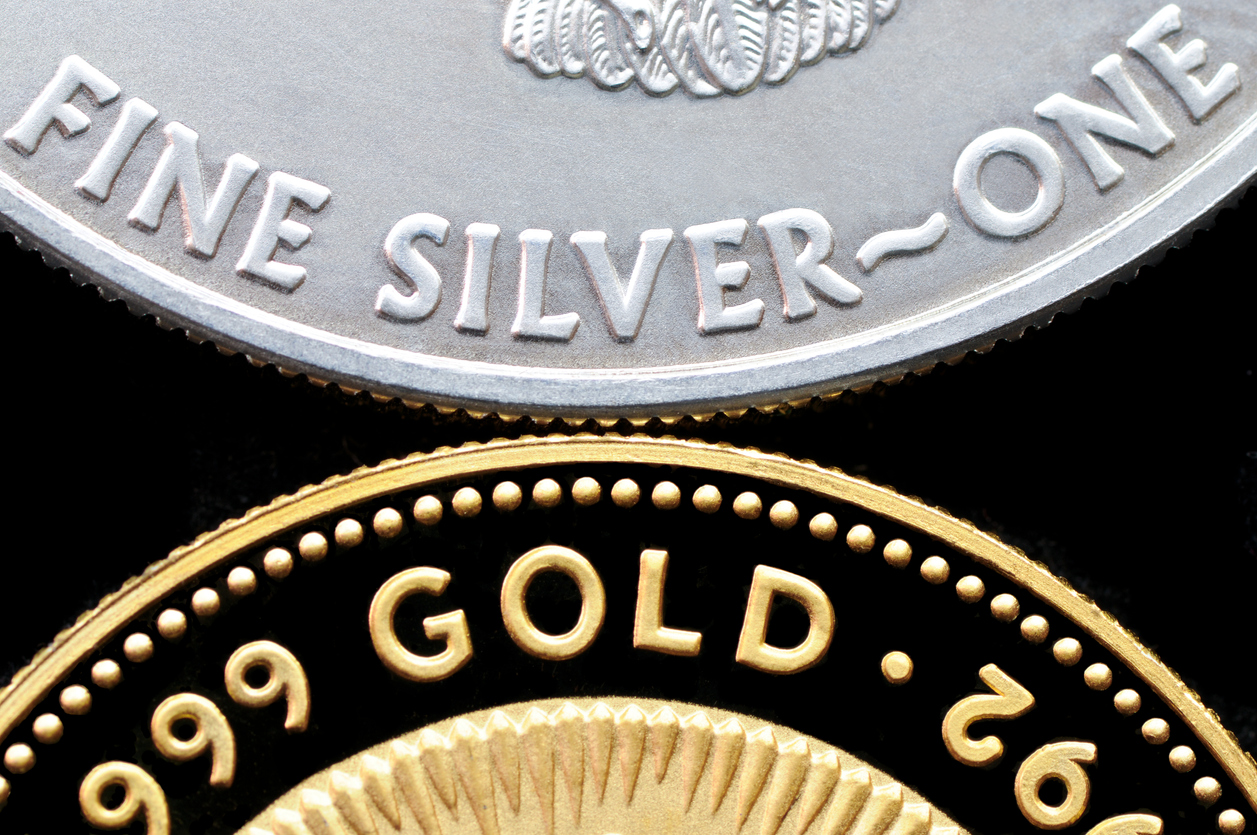
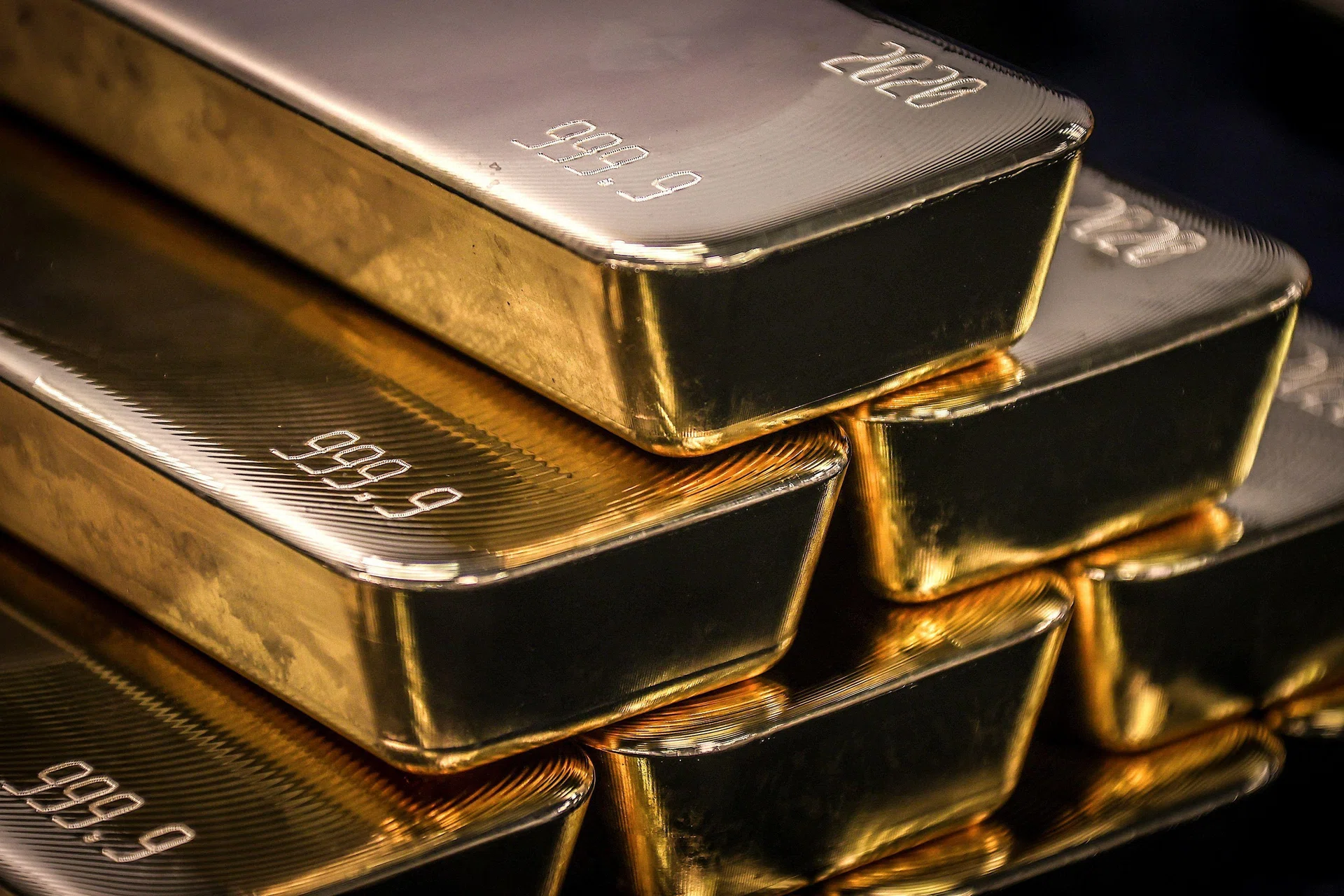
In a recent report, we outlined how one of the early conditions for a market dislocation had quietly moved into place. Capital began hedging for disruption before disruption appeared. Gold and silver moved decisively higher, not as trades, but as insurance.
This report starts where that one left off.
The presence of fear is no longer the question. It is clearly being priced. The unresolved issue is whether the risk being hedged actually justifies the outcome that metals historically imply. In past cycles, similar moves preceded breakdowns because the underlying systems were fragile. This time, the system those hedges are betting against remains intact.
Gold and silver are behaving the way they usually do when confidence weakens. What is different is that nothing else has followed them down.
The paradox is not that fear exists. It is that fear is being priced in a market that continues to function.
II. Metals as Fear Assets and the Limits of the Signal
Gold and silver have long functioned as insurance. They rise when confidence in financial systems weakens, when currencies feel unstable, or when leverage becomes opaque. In that sense, their recent surge is not surprising.
During the 1970s, gold rose alongside inflation and monetary disorder, only to collapse once rates rose and credibility returned. In 2008, metals rallied violently, but mostly after equities had already broken. They reflected the damage rather than predicted it. During the dot com bubble, metals barely moved at all until the crash had already occurred.
These episodes matter because they highlight an uncomfortable truth. Metals are excellent at responding to stress. They are far less reliable at forecasting it.
Rising metals prices often coincide with fear, but fear alone does not guarantee collapse.
Shoppers are adding to cart for the holidays

Over the next year, Roku predicts that 100% of the streaming audience will see ads. For growth marketers in 2026, CTV will remain an important “safe space” as AI creates widespread disruption in the search and social channels. Plus, easier access to self-serve CTV ad buying tools and targeting options will lead to a surge in locally-targeted streaming campaigns.
Read our guide to find out why growth marketers should make sure CTV is part of their 2026 media mix.
III. The False Alarm Problem and Why This Cycle Qualifies
There are moments when metals rally without consequence.
In 2016, gold surged on Brexit fears, then stabilized as markets recovered. In 2019, metals moved higher on trade war anxiety, even as growth continued. In both cases, the signal reflected uncertainty rather than insolvency.
The current cycle shares those characteristics. Gold and silver are rising alongside equities, not against them. Correlations that once moved inversely are now moving together. This suggests a regime shift where capital is no longer choosing between optimism and caution, but attempting to hold both simultaneously.
That behavior does not reflect panic. It reflects uncertainty about direction, not confidence in collapse.
IV. Institutional Flows Reveal the Real Motivation
The most important buyers of gold today are not hedge funds chasing momentum. They are central banks and long term allocators.
Central banks have been accumulating gold at a pace not seen in decades, driven by reserve diversification, currency concerns, and geopolitical realignment. ETF inflows confirm the same impulse among institutions and retail investors. These are not tactical trades. They are structural hedges.
Meanwhile, futures positioning remains relatively restrained. Speculative exposure is elevated but not extreme. That matters because it suggests the rally is not yet driven by leverage or euphoria.
This is not a rush to the exits. It is a quiet rebalancing of trust.
V. The AI Fear Narrative and the Missing Catalyst
The dominant explanation for the metals rally is fear of an artificial intelligence bubble.
The comparison to the late 1990s is easy to make. Capital expenditure is high. Valuations are elevated. Enthusiasm is widespread. The story feels familiar.
What is missing is the structural weakness that made previous bubbles collapse. AI investment today is being funded largely by balance sheets, not leverage. Revenues are materializing. Infrastructure spending is visible. Productivity gains are measurable.
That does not eliminate risk, but it changes its nature. The danger shifts from fragility to digestion.
If AI is not a bubble waiting to pop, then the fear embedded in metals prices is hedging volatility, not failure.
VI. What a Metals Crash Would Actually Mean
If gold and silver were to reverse sharply, history suggests it would not automatically pull equities down with them.
Metals often fall when opportunity cost rises. Higher real rates, a stronger dollar, or reduced liquidity can pressure prices even in the absence of economic stress. In those scenarios, equities can continue to function.
A metals pullback would likely reflect normalization rather than relief. The unwinding of insurance does not require the insured event to occur.
The uncomfortable possibility markets are grappling with is not that one side is wrong.
It is that both sides may be right for different reasons.
Metals are pricing uncertainty about currency, geopolitics, and policy credibility. Equities are pricing productivity, earnings durability, and structural demand. Those signals can coexist longer than most frameworks allow.
The question is not whether fear assets are wrong or growth assets are complacent. The question is whether markets are learning to hedge instability without assuming collapse.
If so, this cycle will not end the way previous ones did. And the signals investors rely on will need to be reinterpreted.
—
Education, not investment advice.
Sources: